
Grey Fitted Wardrobes London
Grey is one of the most requested finishes we fit, and it’s easy to see why. It works with almost any bedroom colour scheme, doesn’t show dust and fingerprints the way white does, and suits everything from a minimalist new build flat to a period conversion.
We build grey into sliding, hinged, walk-in and alcove wardrobes, in matte, gloss or woodgrain-effect finishes, and in shades ranging from pale dove grey through to near-charcoal. As with every FWAB wardrobe, it’s made to measure for your room, not adapted from a standard size.
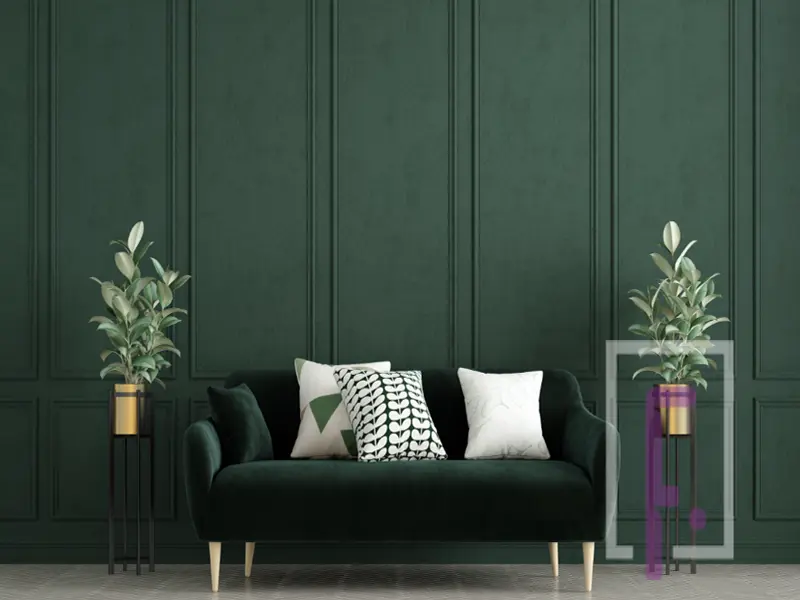 Dark Grey Wardrobes
 Grey Wardrobes
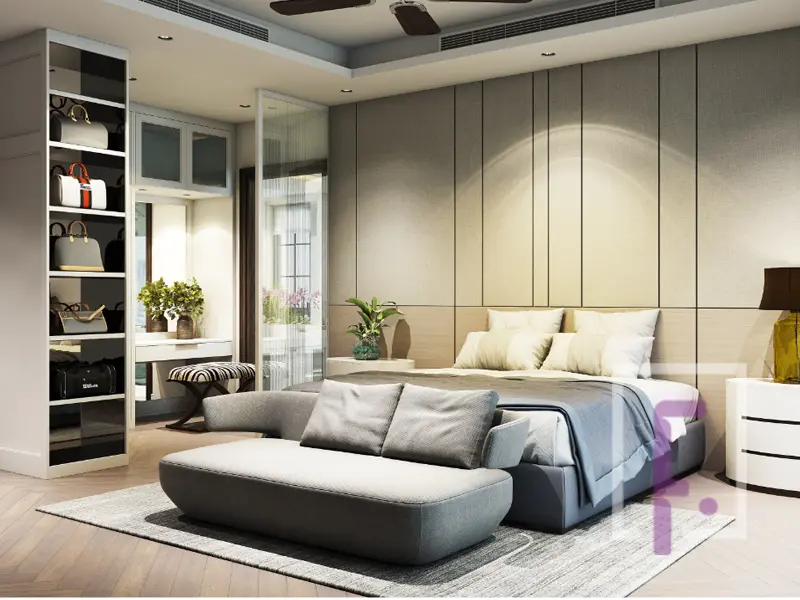 Grey Wardrobes Set
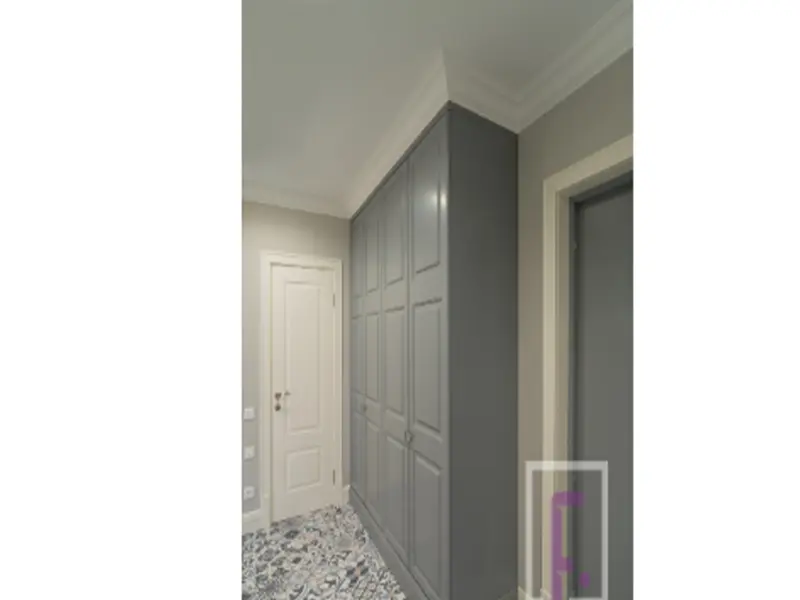 Light Grey Wardrobes
Light Grey or Dark Grey Which Suits Your Room?
Light grey works well in smaller rooms or where you want a bright, airy feel. It reflects light better than darker tones, which tends to make a compact bedroom feel more open rather than boxed in.
Dark grey reads as more deliberate and luxurious, and tends to suit larger rooms better or rooms where you want the wardrobe to stand out as a design feature rather than blend into the wall. It also pairs particularly well with mirrored or glass door panels, which help lift the depth of the colour.
If you’re not sure which will suit your room, that’s exactly what the free design visit is for. Our designer brings finish samples and can talk it through against your actual wall colour and natural light.
Grey Wardrobe Styles We Build
Sliding grey wardrobes: space-saving doors, well suited to smaller rooms
Hinged grey wardrobes: a more traditional look and wide door opening
Grey walk-in wardrobes: where the room allows for a dedicated dressing space
Grey alcove wardrobes: built wall-to-wall into a chimney breast recess or awkward corner
Grey mirror wardrobes: mirrored door panels combined with a grey frame or carcass
Interiors can be finished with soft-close drawers, adjustable shelving, double hanging rails, shoe storage and LED lighting, whatever the exterior colour.
Grey Pairs Well With
Wood-effect interiors — warms up the grey and adds contrast inside the wardrobe
Mirrored or glass door panels — particularly effective with darker greys, helping reflect light back into the room
Metallic handles — brass, black or brushed steel all sit well against grey
Choosing a Grey Shade — What to Look at Beyond the Sample Swatch
A small paint or laminate sample rarely tells the full story once it’s scaled up to wardrobe-sized doors. A few things worth factoring in before deciding:
Natural light in the room. A north-facing bedroom with limited direct sun will read greys cooler and darker than the swatch suggests a mid-grey can end up looking closer to charcoal. South-facing rooms with more light can carry darker shades without the room feeling heavy.
Room size and ceiling height. Darker greys work well in larger rooms with higher ceilings, where the wardrobe reads as a considered design choice rather than dominating the space. In smaller or lower-ceilinged rooms, a lighter grey or a lighter grey combined with mirror panels usually keeps the room feeling balanced.
What else is in the room. Grey is genuinely one of the easier colours to plan around, but it still interacts with your flooring, existing furniture and wall colour. A warm-toned wood floor pairs differently with a cool blue-grey than it does with a warmer stone grey this is one of the main things our designer checks during the free visit, ideally against your actual room rather than a swatch alone.
Finish, not just shade. The same grey shade looks noticeably different in matte versus gloss. Matte tends to feel calmer and hides marks slightly better; gloss reflects more light, which can help a smaller or darker room feel brighter, at the cost of showing fingerprints more readily.
Caring for a Grey Fitted Wardrobe
Grey finishes are generally low-maintenance, but a few habits keep them looking sharp:
Wipe doors with a soft, slightly damp cloth rather than dry-dusting, which can drag grit across the surface and cause fine scratches over time
Avoid abrasive cleaners or scouring pads on matte finishes in particular they can dull the surface unevenly
On gloss finishes, a microfibre cloth used in one direction (rather than circular wiping) reduces the chance of visible swirl marks under direct light
Check door and drawer soft-close mechanisms occasionally grit or dust build-up in the runners is usually what causes a soft-close to start sticking, and it’s a simple clean rather than a repair